


More immigrants than any time since 1910, and better-educated.
Archives
Dolls, Teddy Bears, and the Littlest Immigrants
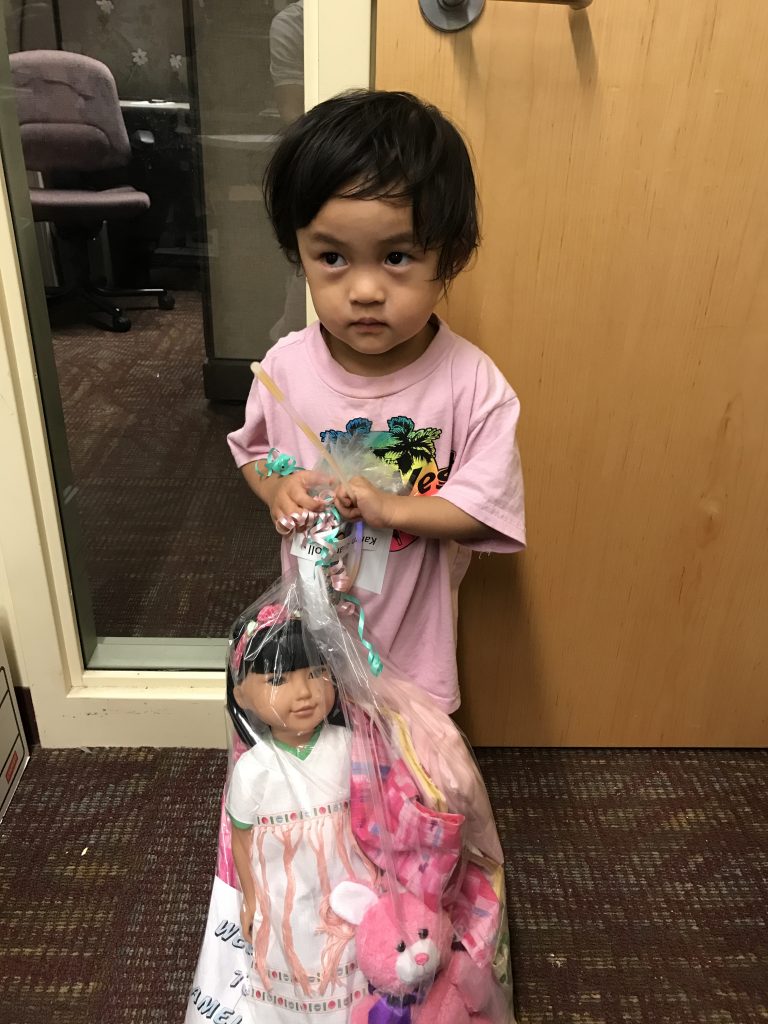
Imagine a five-year-old child, hundreds of miles from home and feeling the stress and fear of their parents as they face a new life in a new country. Perhaps they came from a refugee camp in Thailand or from a mountain village in Guatemala. People in Minnesota look different and sound different. Even the colors and clothing feel strange. But what if there were a doll or a teddy bear, dressed in familiar, traditional clothing from your homeland, waiting to welcome them?


The Immigrant Law Center of Minnesota (ILCM) is pleased to announce our new partnership with “Don’t Cry… I’m Here” (DCIH), a nonprofit organization that provides dolls and teddy bears to children who have recently arrived in the United States. They currently have over 450 members who purchase, sew, and prepare the dolls, teddy bears, clothes, and accessories. When DCIH receives a request for a doll or teddy bear, they research the family’s country of origin for inspiration to create clothing that closely resembles clothing the child would recognize. Each doll/teddy bear is given multiple outfits and accessories, and a “Welcome” card from a child in the U.S.
Four months ago, DCIH connected with us through Lutheran Social Service of Minnesota. We were intrigued by DCIH’s mission and excited to provide dolls and teddy bears to our clients from our offices in Minnesota: Austin, Moorhead, St. Paul, and Worthington.

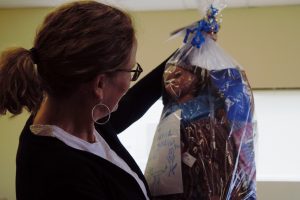
This past Friday, August 31, DCIH delivered 18 dolls and teddy bears styled for Karen and Guatemalan children to our St. Paul office. These dolls and bears will be distributed to our offices in Worthington, Austin, and Neighborhood House in St. Paul to be kept on hand for families in need. We are currently ordering dolls for a family from Ethiopia, and in the future, we hope to order dolls and/or bears for specific families. Ideally, we will give dolls/teddy bears to at least two families a month.


For more information about “Don’t Cry… I’m Here” visit their website at https://dontcryimhere.org/ or contact them at dontcryimhere@yahoo.com
(Photos by Mari Arneson for ILCM.)
Trump’s new plan to detain immigrant families indefinitely, explained
The Trump administration officially has a plan to detain families who enter the US without legal status for as long as it deems necessary — with no limit on how long children may be held with their parents.
DACA Lives—Defend the Dreamers
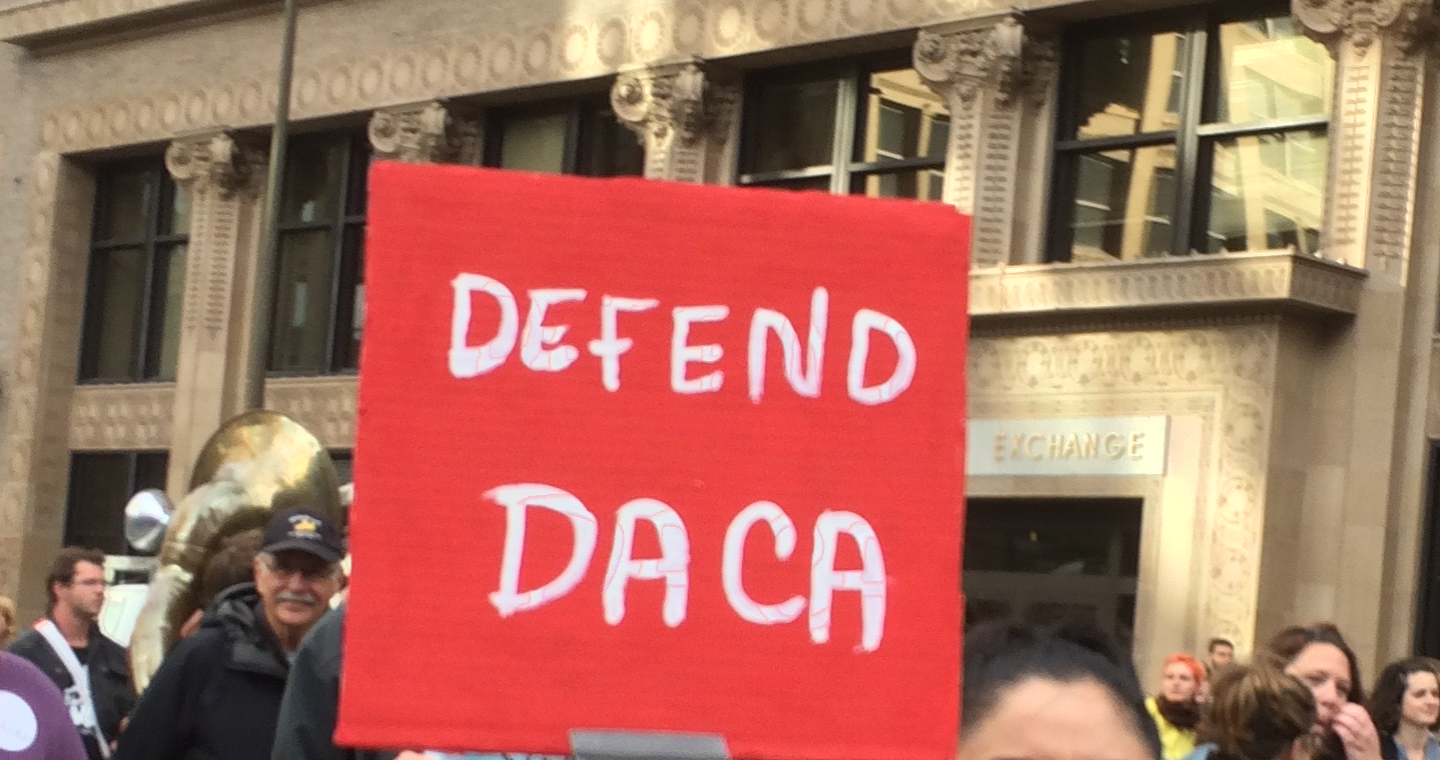
Today is a day to mark with outrage and resolve. One year ago, Attorney General Jeff Sessions announced the Trump administration was rescinding Deferred Action for Childhood Arrivals—DACA. They have not succeeded. Not quite. Not yet.
Despite their worst efforts, four federal courts have said that DACA must continue, albeit only for those who already had its protection on September 5, 2017. So the child who turned 15 on September 6, 2017, or on September 5, 2018 is out of luck. No matter that she came here, carried in her mother’s arms at the age of nine months or two years. No matter that she grew up in this state and has never known another home. The Trump/Sessions hate machine denies her any protection. If they find her, they will deport her.
Anyone who had DACA before September 5, 2017 can apply for renewal, a renewal that costs hours of effort and $495 every two years.
Anyone who did not have DACA protection on that date is barred by the Trump/Sessions rescission.
DACA protects some of the Dreamers: the young people who came to the United States when they were children and have remained here ever since.
More than 80 percent of Americans want protection for the Dreamers. Congress could make DACA law at any time, beyond the reach of the Trump/Sessions hate machine. Congress has refused to act. So, for now, only the courts prevent the end of DACA and the deportation of 800,000 young people who have grown up as Americans. The 800,000, and a million more who do not have DACA’s protection and now can not apply for it, are called Dreamers, because they share the American dream.
The DACA program, begun in 2012, allowed young people who had come to the United States before 2007, who were older than 15 but younger than 31, and who met school, work, and criminal background check requirements, to get a two-year residence and work permit. They were not eligible for permanent residence or citizenship, but they could renew that permit every two years.
A recent study confirmed the contributions that DACA recipients make, finding that 96 percent of DACA recipients surveyed are currently employed or enrolled in school. Some 32 percent already had a bachelor’s degree or higher.
Many DACA recipients have married, started families, and bought homes. They pay taxes and contribute to their communities. Some have become doctors and lawyers, and thousands are teaching in U.S. schools. No matter how great their contributions, their futures remain in jeopardy, and they live in fear. The same study found:
“The legal and political uncertainty surrounding DACA is weighing heavily on its recipients. For example, 45 percent of respondents reported that they think about being detained in an immigration detention facility at least once a day; 55 percent reported that they think about being deported at least once a day; and 64 percent reported that they think about a family member being deported at least once a day.
“Among recipients with children, 76 percent reported that they think about “being separated from [their] children because of deportation” at least once a day, and 74 percent think about “not being able to see [their] children grow up because of deportation” at least once a day.”
Today, on the anniversary of the Trump/Sessions effort to destroy DACA, you can do something. Call your Senators and Representative. Send a message to those running for Congress. Say that we need these young people and we need a Dream Act to protect them. Call and tell your Senators and Representative that this is a priority for you and for the nation.
On immigration, guv candidates Walz and Johnson ‘fundamentally disagree’ on policy priorities
A judge ordered immigrant children removed from troubled Texas facility. They’re still there.
U.S. is denying passports to Americans along the border, throwing their citizenship into question
https://www.washingtonpost.com/world/the_americas/us-is-denying-passports-to-americans-along-the-border-throwing-their-citizenship-into-question/2018/08/29/1d630e84-a0da-11e8-a3dd-2a1991f075d5_story.html?noredirect=on&utm_term=.7a9ab4ee718e
Rocky beginning, growing acceptance: The Somali experience in Faribault
Hennepin County finalizes deal for legal services for residents facing deportation
Becoming a Citizen: Quick Facts
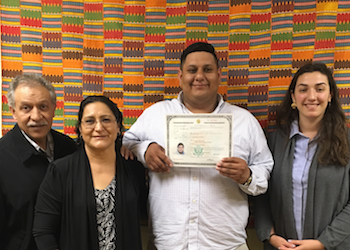
Every year, hundreds of people come to the Immigrant Law Center of Minnesota for help in becoming a citizen. The process can be long and complicated. Here are a few quick facts about citizenship.
- Anyone born in the United States is a citizen.
- Someone who is born to a U.S. citizen parent is a citizen (usually).
- For someone who is not a U.S. citizen by birth, the process of becoming a citizen is called naturalization.
- Applying for citizenship requires a 20 page form with 18 pages of instructions, and numerous documents such as birth certificates, marriage certificates, divorce decrees, tax returns, pay stubs, etc.
- The application fee is $725.
Who can apply?
While there are some exceptions for spouses of U.S. citizens, immigrants serving in the U.S. military, and children, the general requirements are that the immigrant applying for citizenship must:
- Be at least 18 years of age;
- Be a lawful permanent resident (green card holder);
- Have resided in the United States as a lawful permanent resident for at least five years (three years for spouses of U.S. citizens);
- Have been physically present in the United States for at least 30 months;
- Be a person of good moral character;
- Be able to speak, read, write and understand the English language;
- Have knowledge of U.S. government and history; and
- Be willing and able to take the Oath of Allegiance
The catch comes in legal residence requirement, also known as having a green card. In order to become a citizen, you first have to get that legal permanent resident visa. You may have heard people asking, “Why don’t they just get in line?” For most people, there is no line, no way at all to get in. (For more information, see Getting to Know New Minnesotans, Part Three: Who Can Get in Line?)
How long do you wait?
For permanent residents who qualify and apply, the line from application to citizenship can be very long. In 2017, the backlog of citizenship applications to the U.S. Citizenship and Immigration Services (USCIS) grew to 735,000. The official USCIS calculator says someone in Minnesota who files a completed N-400 form and all necessary documents will wait 15-19.5 months for a decision. The wait time varies from state to state, and in some places is as long as two years.
Despite the obstacles, immigrants persevere. According to the most recent USCIS information:
- In 2016, 8,573 Minnesota immigrants became U.S citizens.
- In the entire country, 753,060 immigrants became U.S. citizens.
- Almost half of all Minnesota immigrants are U.S. citizens.