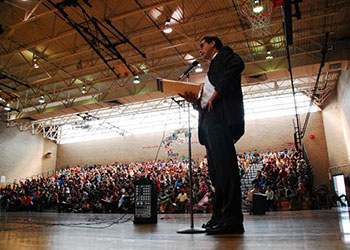


Festival of Rights / Festival Legal

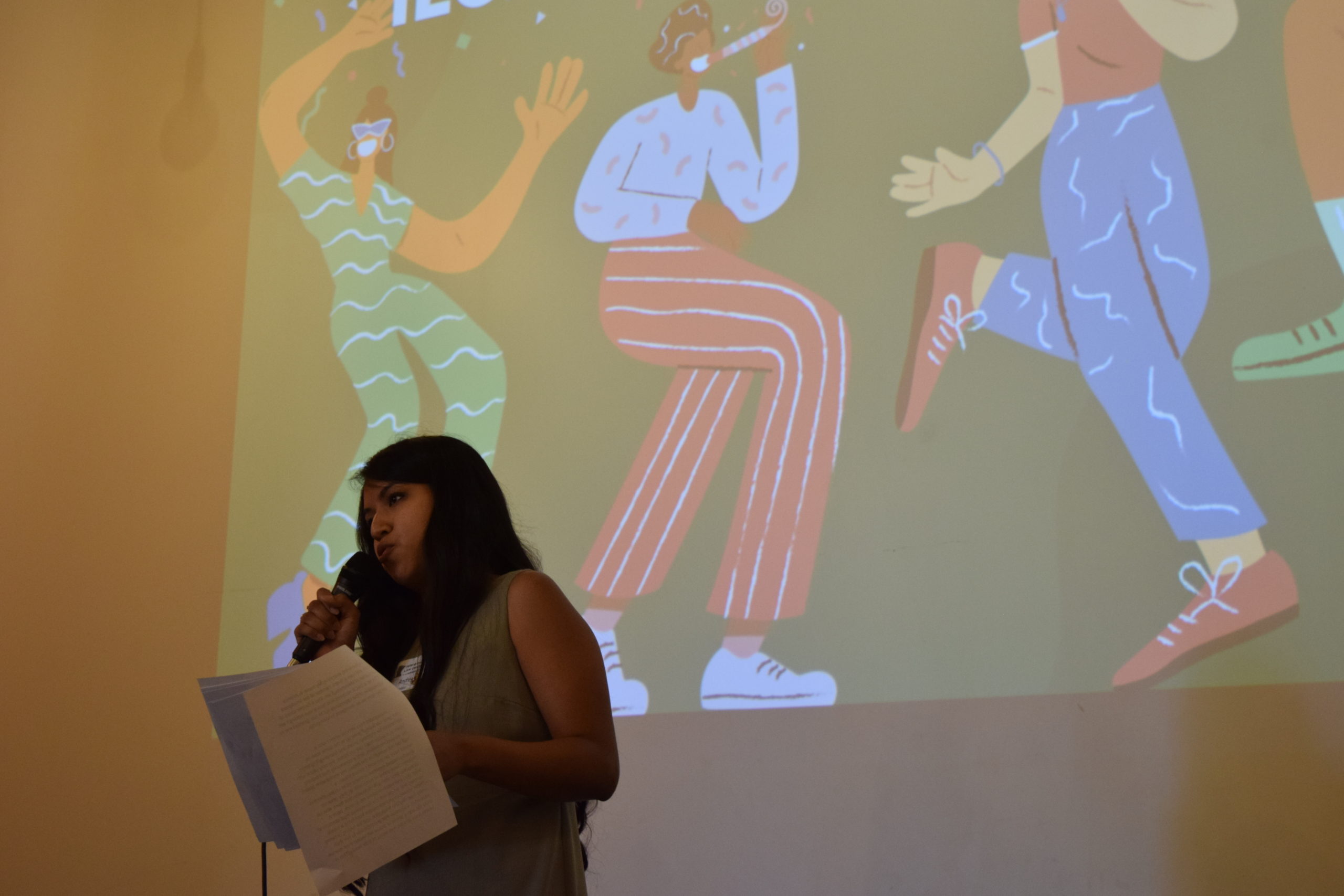
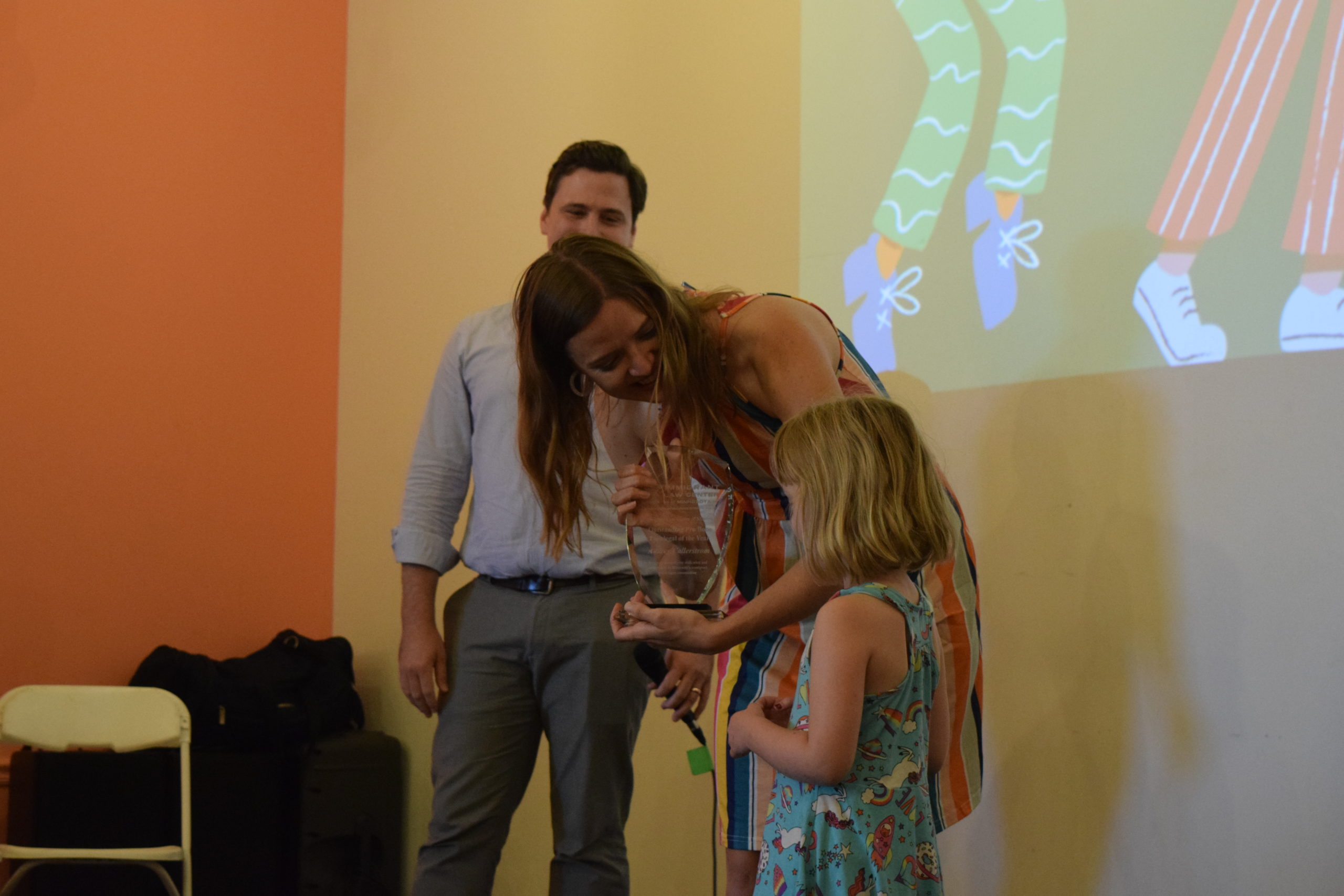
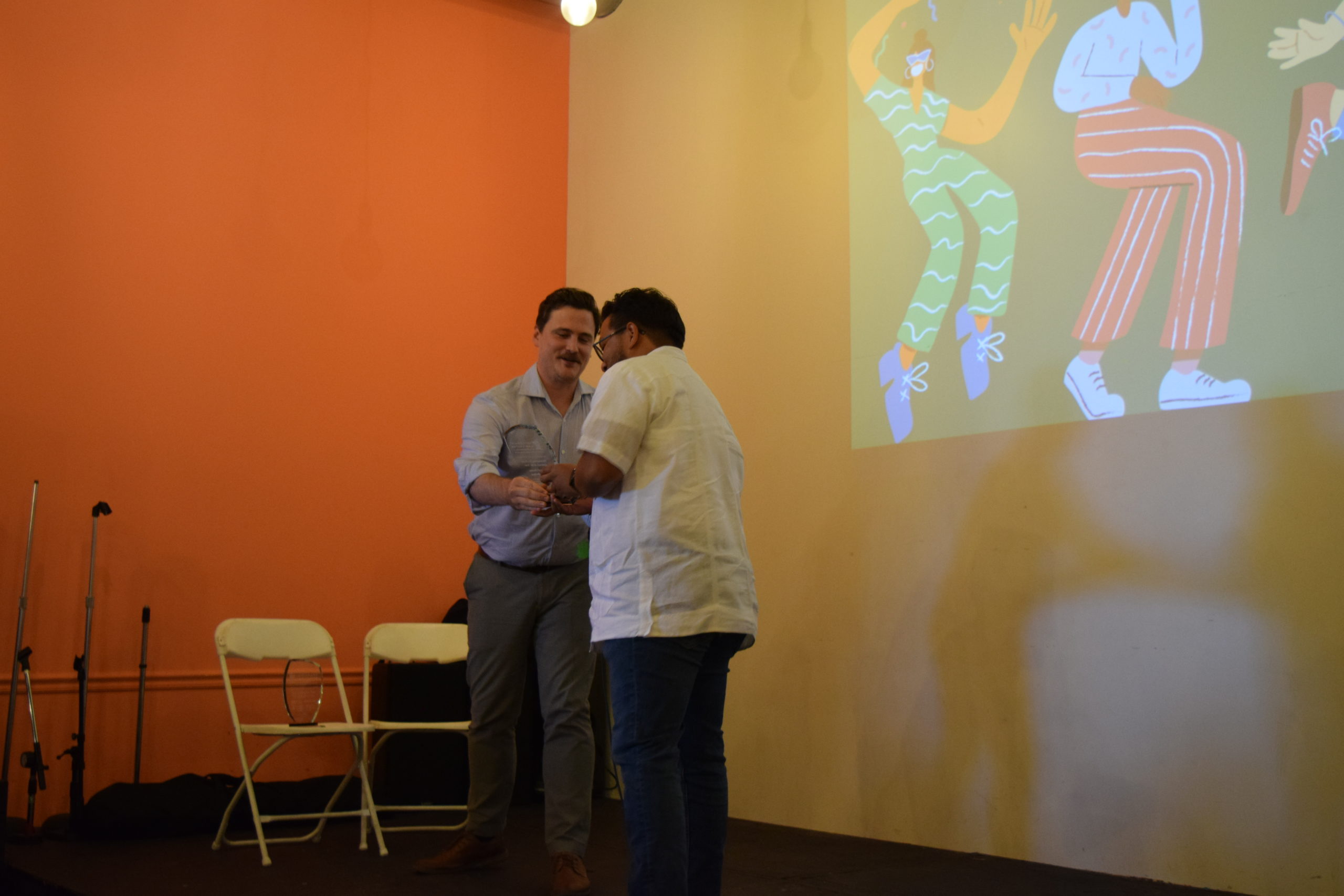
Thank you everyone for making the 1st annual festival of rights a success!
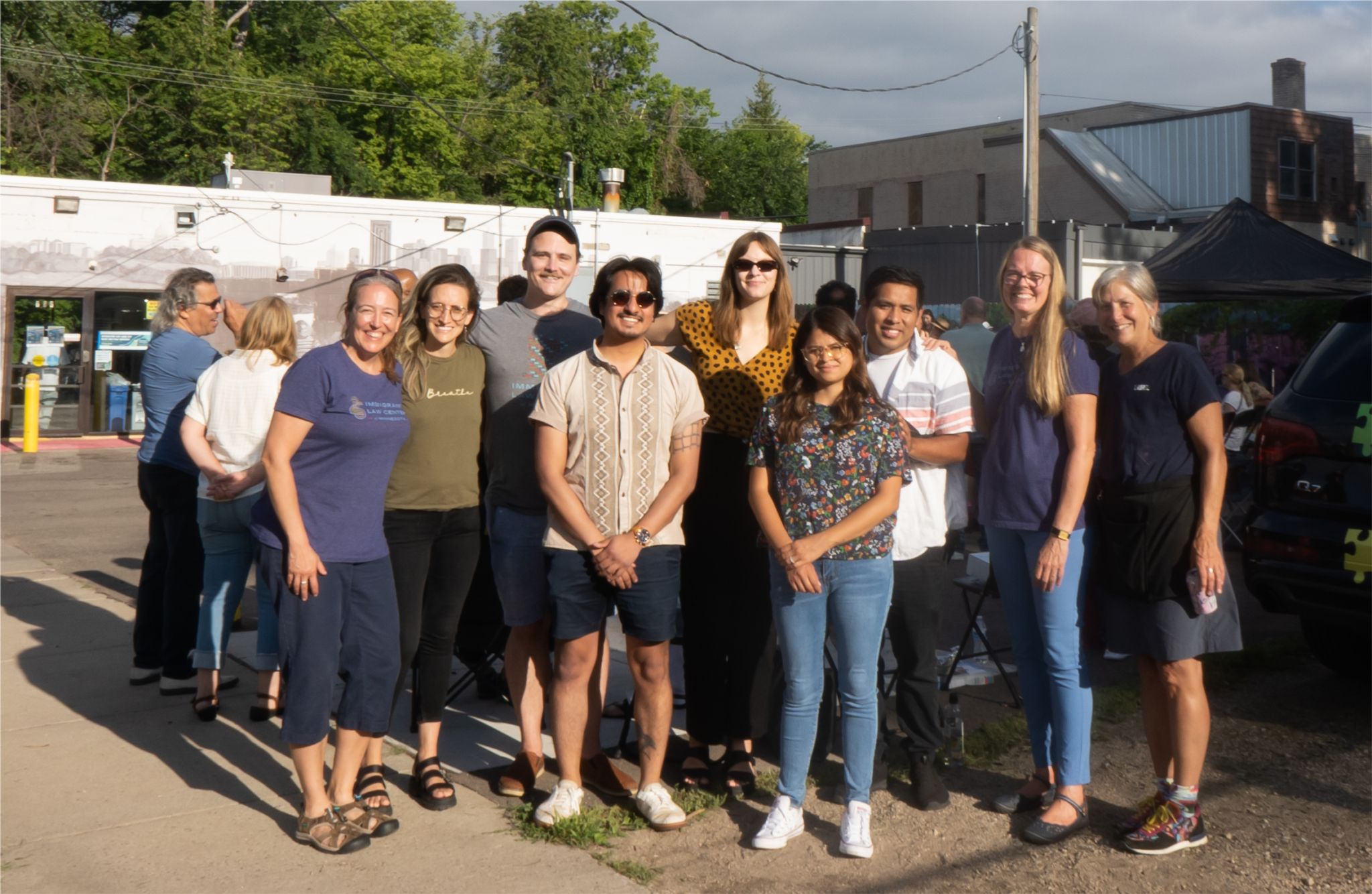
Photo by Minnesota Hispanic Bar Association

Thanks to our partners, Minnesota Hispanic Bar Association and CLUES for working with us to put on this amazing event! Thanks to the Beautiful Laundrette for hosting and Malamanya for ending our event with music, fun, and dancing!

Thank you to the following organizations for participating in the event!
CLUES – Comunidades Latinas Unidas En Servicio
CTUL
STMA ECFE – Early Childhood Family Education
Esperanza United
Girl Scouts of Minnesota and Girl Scouts River Valleys
Guiding Star Wakota
Immigrant Law Center of Minnesota
Interfaith Action of Greater Saint Paul
James H. Binger Center for New Americans
LegalCORPS
McLemore Holdings “Where Excellence Resides”
Minnesota Freedom Fund
Minnesota Hispanic Bar Association
MIRAC – Minnesota Immigrant Rights Action Committee
MORE
My Very Own Bed
Neighborhood Development Alliance (NeDA)
Neighborhood House
Neighborhood Justice Center, Inc.
One Day At A Time
Oromo Community of MN
Southern Minnesota Regional Legal Services
St Paul Public Library-Riverview Br
Tubman
Ujamaa Place
Vietnamese Social Services of MN
West Side Community Organization (WSCO)
Women’s Advocates
Afghan Adjustment Act: Now is the Time to Move Ahead

August 10, 2022— On August 9, one day before the anniversary of the fall of Kabul, bi-partisan groups of Senators and Representatives introduced an Afghan Adjustment Act in the House and Senate. The bill would offer a path to legal residence and citizenship for tens of thousands of Afghans who fled their country, many because their close ties to the United States endangered them.  

“Thanks to the efforts of Minnesota Senator Amy Klobuchar and her colleagues, this bi-partisan bill has the best chance yet to protect the Afghans who assisted the U.S. in Afghanistan,” said Veena Iyer, executive director of the Immigrant Law Center of Minnesota. “We as a nation owe them safety and a chance to rebuild their lives here. We owe loyalty to those who were loyal to us, to those whose work saved the lives of U.S. service men and women. This legislation is a necessary step in the right direction, and both Democrats and Republicans must support its speedy passage.” 

While more than 76,000 Afghan evacuees landed in the United States, tens of thousands remain in temporary camps around the world. Other Afghans in danger because of their ties to the United States or because of their political opinions, remain inside Afghanistan, living in hiding and in fear for their lives and the lives of their families. Minnesota has welcomed 1,241 Afghan evacuees, according to the Minnesota Refugee Resettlement Programs Office.  

Current immigration law offers only slow and incomplete paths to safety, with years-long backlogs of applications for asylum or refugee status. Even the Special Immigrant Visa (SIV) program for Afghans who were actually employed the U.S. military or government is painfully slow, unreliable, and inadequate. The Afghan Adjustment Act will offer a path to permanence, with solid vetting and review.  

Take Action: No Anti-Immigrant Amendments to Inflation Reduction Act

The Inflation Reduction Act will come up for votes in the Senate, and then in the House, possibly as soon as the first week of August. This is the pared-down version of Build Back Better. Just before the final vote, hundreds of amendments will be proposed in what is sometimes called a vote-a-rama. This is a final effort to insert provisions that otherwise would have no chance of approval, including anti-immigrant amendments.

Call your Senators. Call your Congressional Representative. Tell them to VOTE NO against any anti-immigrant amendments presented for this bill.

Among the anti-immigrant amendments that are likely to be proposed are:

  • Ending Asylum at the Border by extending Title 42 expulsions. This would violate the administration’s commitment to providing a fair asylum system. Making Title 42’s rescission contingent on the termination of the COVID-19 emergency declaration is a ploy to keep asylum-seekers out. This racist policy endangers refugees, violates immigrants’ right to seek asylum and refuge, and accelerates anti-immigrant violence and rhetoric. Title 42, and deterrence-based policies like it, make both asylum-seekers and the border less safe.
  • Harming Immigrants’ Health, Economic Well-Being, or Education. Keeping otherwise eligible families from accessing critical health programs, using economic supports, or pursuing their educational and employment goals undermines the health care goals of the Inflation Reduction Act.
  • Further Bloating Enforcement or Militarizing the Border. Deterrence-based enforcement and continued surveillance and abuse, both at the border and throughout the interior, should not and cannot be inserted into the Inflation Reduction Act. This includes increased and unnecessary funding to interior enforcement, border enforcement, and detention as well as any punishment for states and localities who prioritize public safety by separating local government, including law enforcement, from federal immigration enforcement.

Call your Senators. Call your Congressional Representative. Tell them to VOTE NO against any anti-immigrant amendments presented for this bill.

Welcome New Citizens!

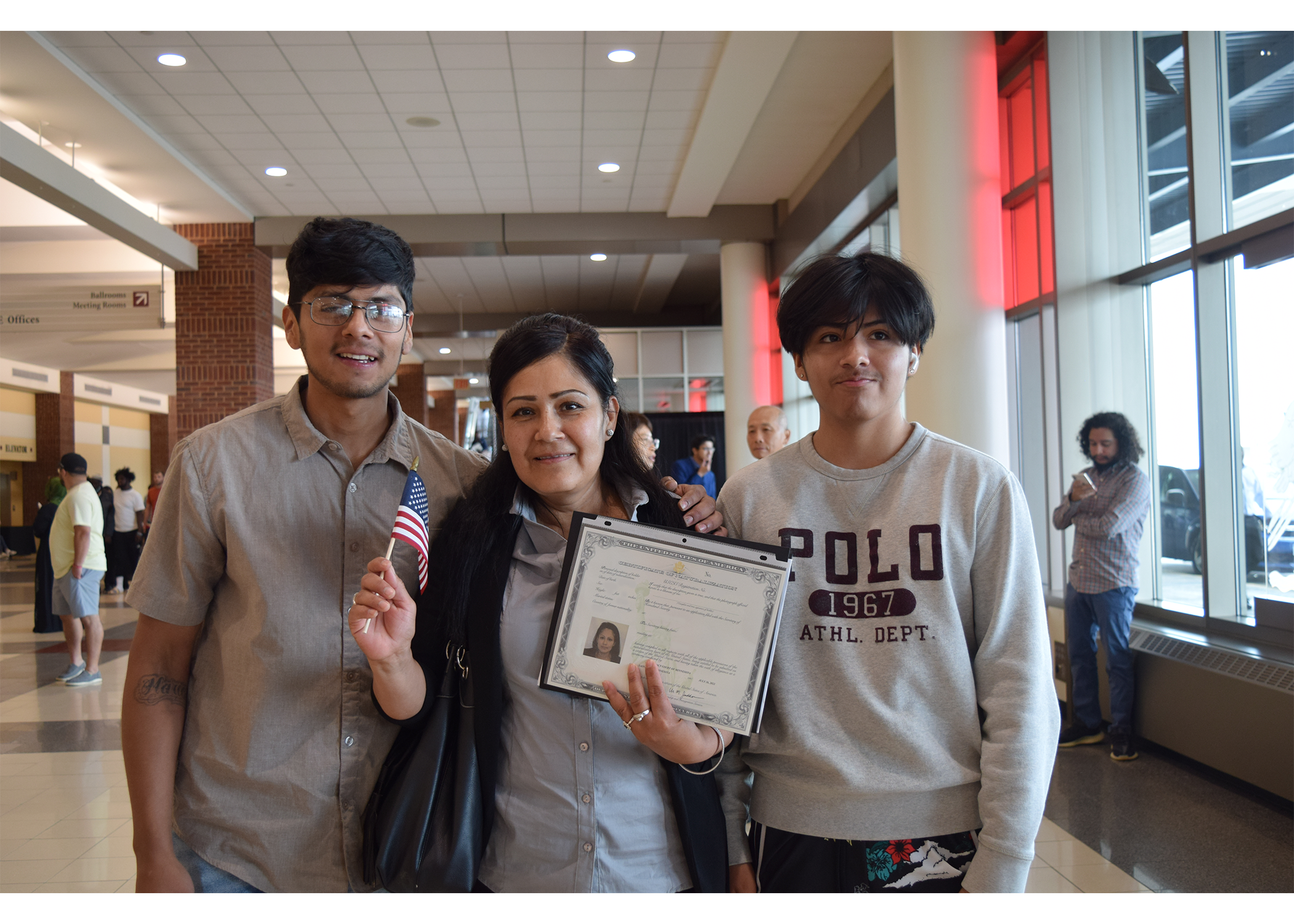
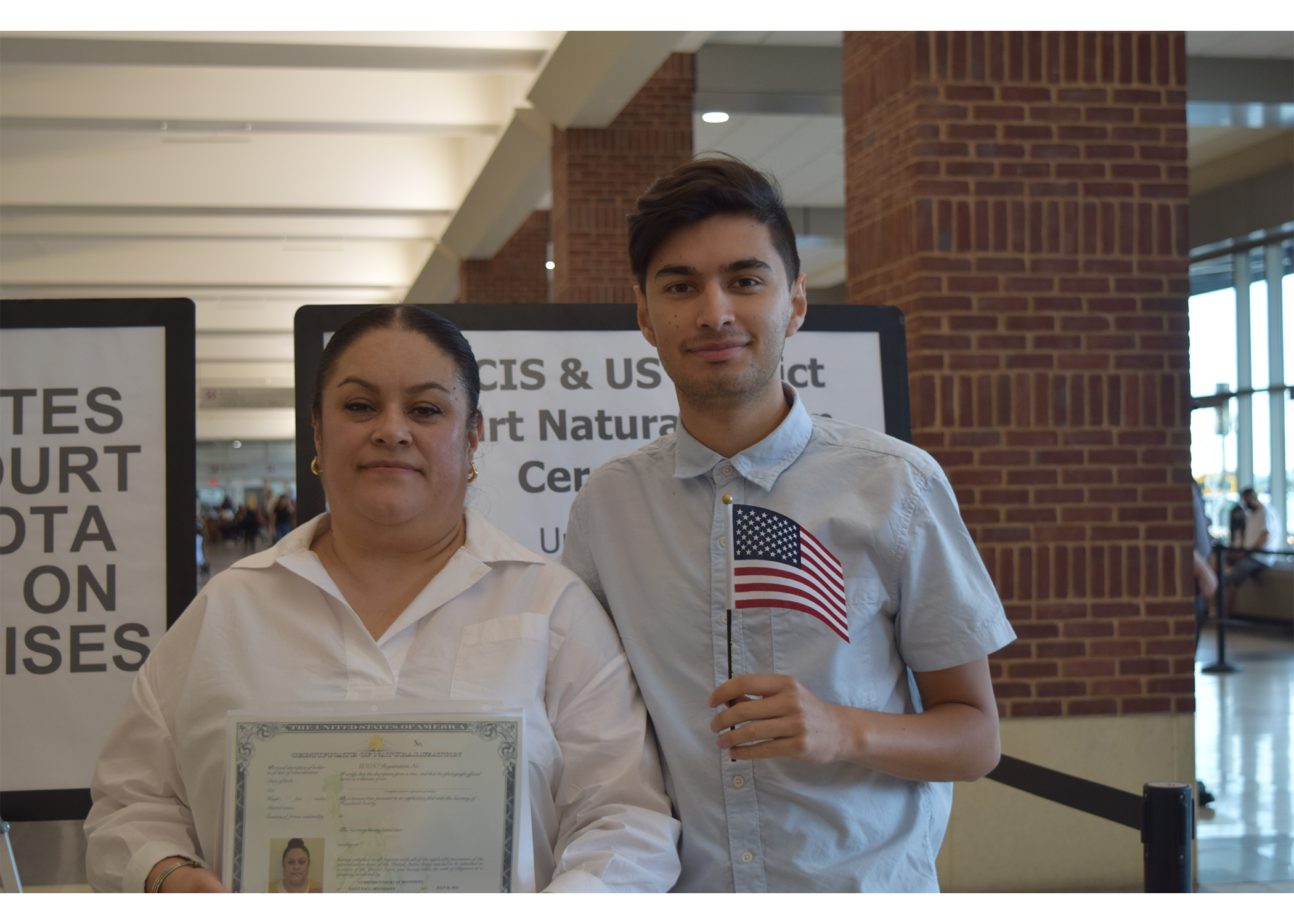
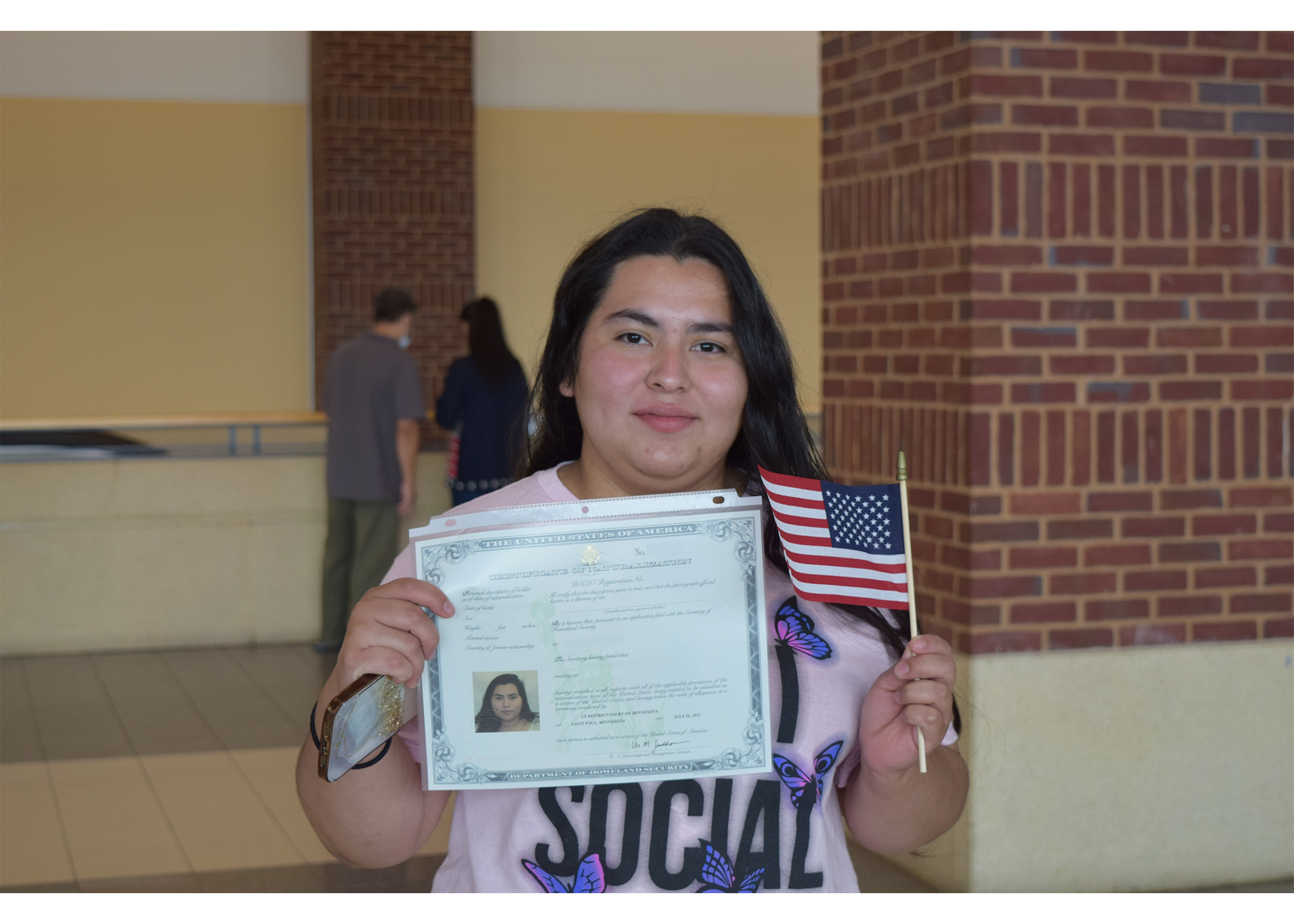
Yesterday we were thrilled to congratulate 12 ILCM clients on becoming U.S. citizens! Our clients were among approximately 900 other individuals taking the oath ceremony at the Saint Paul River Centre yesterday. Spending the morning surrounded by the hundreds of celebratory new citizens and their families was a great start to our day and a joyful reminder why we do what we do.

One of our clients taking the oath yesterday was Alba. Alba arrived in the United States when she was 17 years old and now, 31 years later, she’s finally a U.S. citizen! She registered to vote directly after the ceremony and this fall she’ll be voting for the very first time. Congratulations Alba!


Another one of our clients taking the oath yesterday was Ariana*. Ariana has been a longtime client of ILCM. With her ILCM attorney, Ariana applied for asylum and special immigrant juvenile status and was eventually given asylum. Seven years later she is finally a U.S. citizen. Ariana is looking forward to going to college and becoming a CNA. Congratulations Ariana!

*The client chose to use a pseudonym to protect their identity.


Another of our clients taking the oath yesterday was Maria. Maria was so happy to finally become a U.S. citizen. She has been a client of ILCM for over a decade and we’re thrilled to see her to this part of her journey. Maria and her sons were planning on a celebratory meal to celebrate. Congratulations Maria!

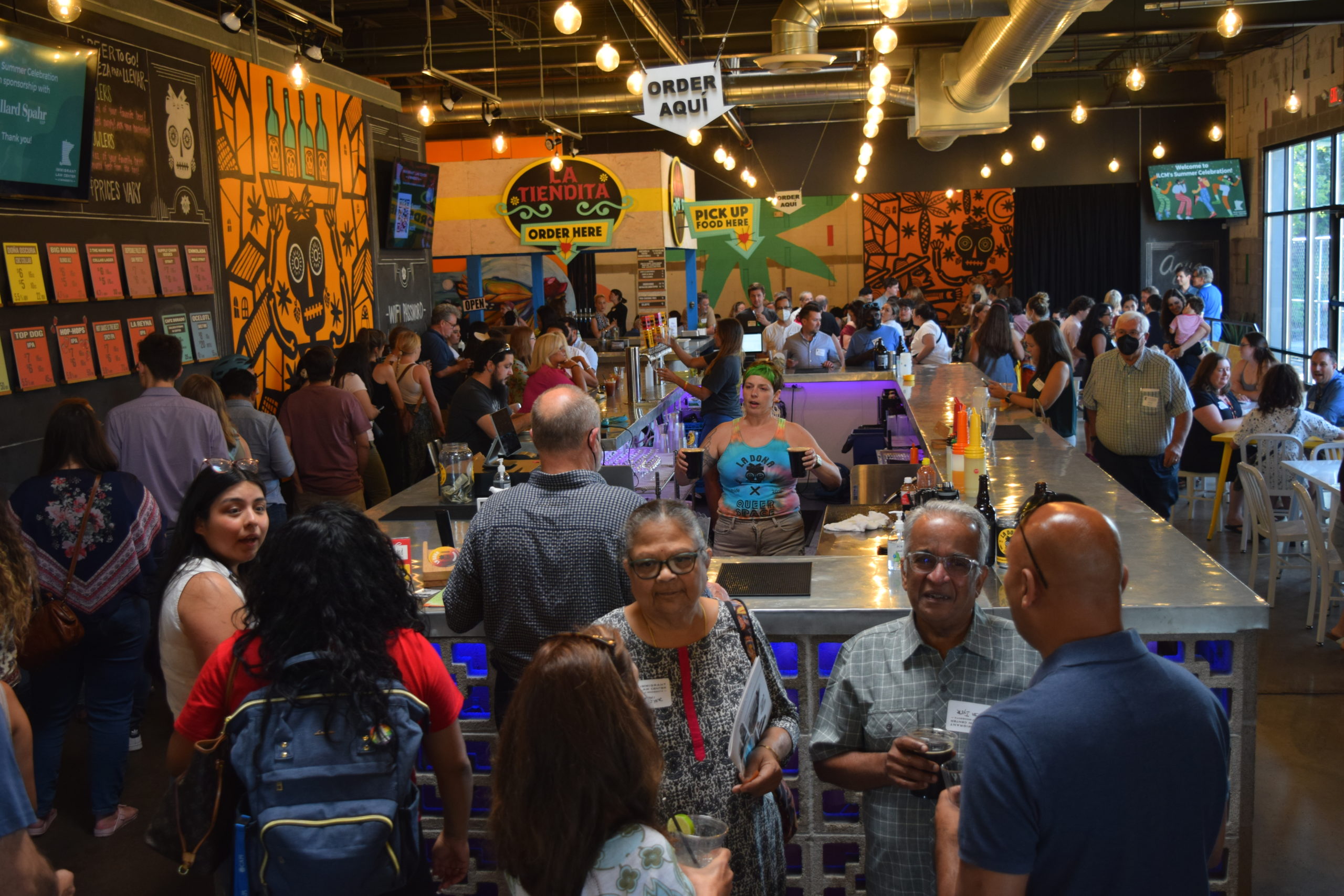
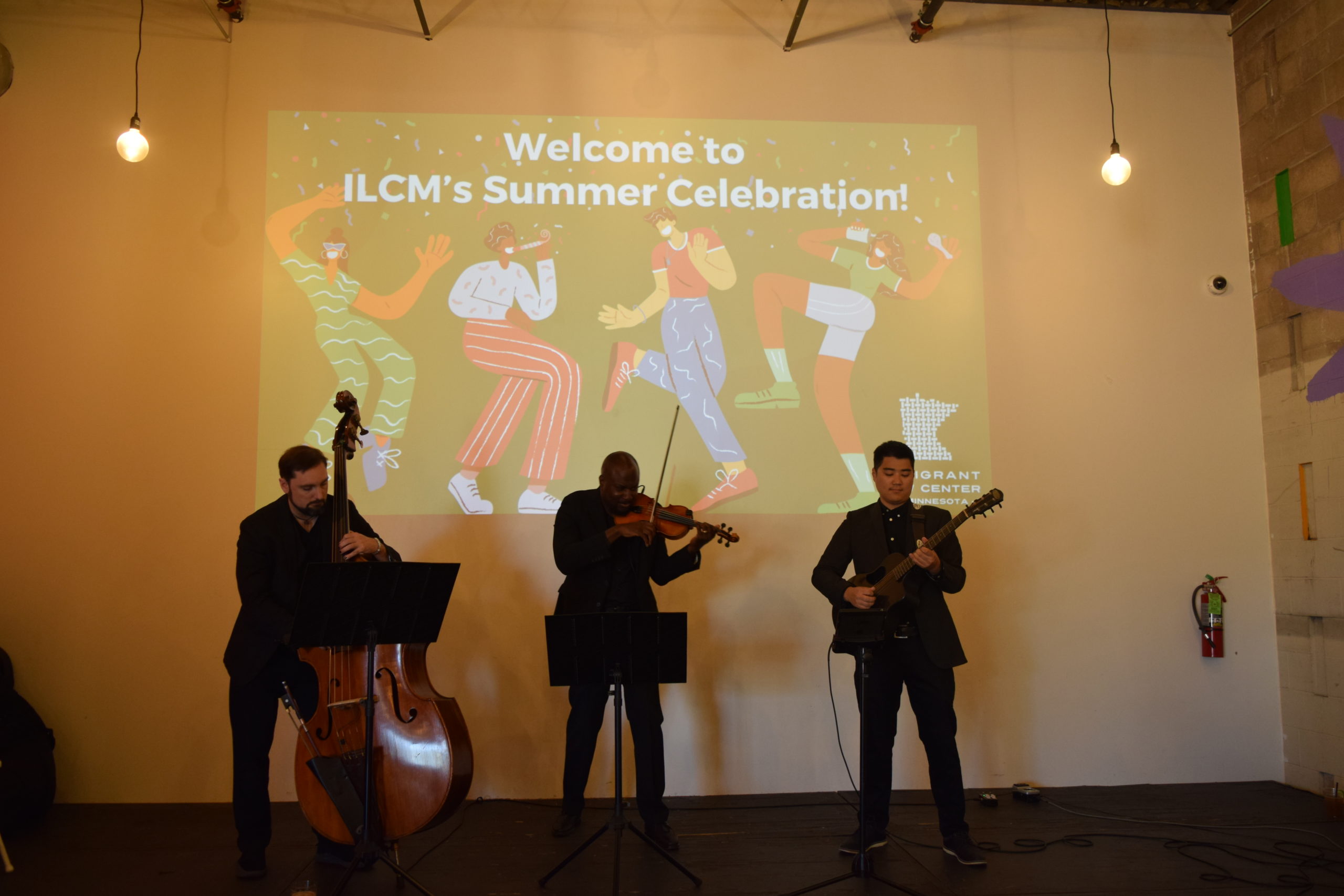
ILCM’s Summer Celebration

Thank you to everyone who joined us at our Summer Celebration!

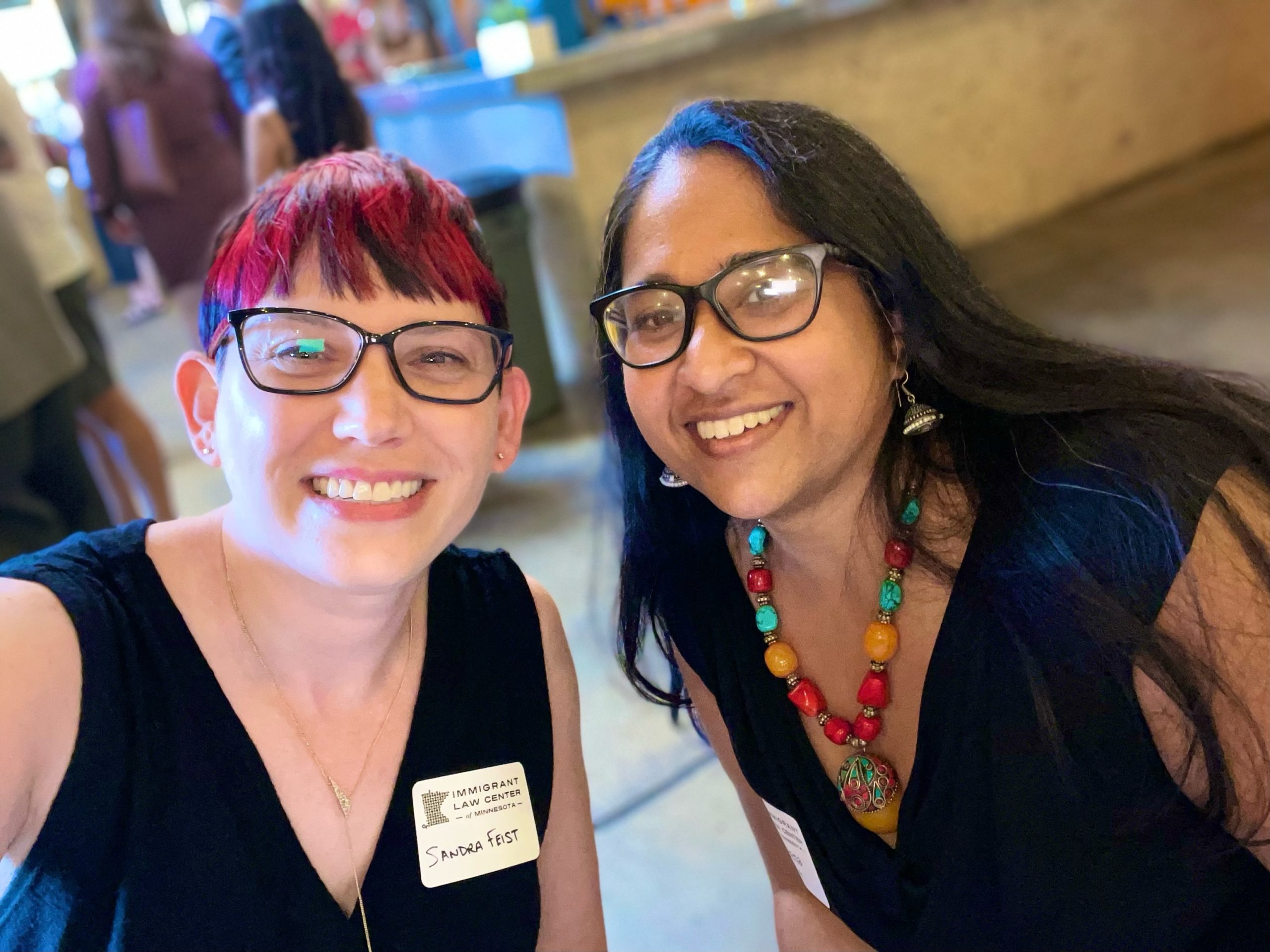
Thank you to Ernest Bisong for the amazing music, Sandra Feist for your moving words, Board Member and former ILCM client, Andrea Valdez Correa for sharing your powerful story, and our pro bono awardees, Braynell Danue Estrada Britton and Audrey Callerstrom, for all you do for ILCM and our community.  


Thank you Ballard Spahr LLP for sponsoring, and La Doña Cervecería for having us!

Ballard Spahr Logo

A Decade of DACA: Anniversary Event and Background Information

June 13, 2022 – ILCM will present virtual panel discussion marking the 10th anniversary of DACA on June 14.  

Home is Here: A Virtual Discussion on a Decade of DACA and the Future for Dreamers will provide an overview of the DACA program; discuss the impact of the program on participants, businesses, and communities; and share their insights on the future for Dreamers. The panel will include Lisa Pedrys from Medtronic, Emilia Gonzalez Avalos from Unidos MN, and Ania Salcedo, an ILCM intern and DACA recipient. Mackenzie Heinrichs, ILCM’s Equal Justice Works Fellow, will moderate the discussion. This event is free and open to the public. Register at https://www3.thedatabank.com/dpg/334/mtglistproc.asp?formid=2016Calendar&caleventid=37034 

They came here decades ago, children brought across the border by their parents. After growing up here, going to school here, working here, building families here, they are still denied access to the American Dream. Though they know the United States as home, they remain undocumented, with no path forward. They are the Dreamers.  

Their name comes from the Dream Act, bipartisan legislation first proposed in 2001, but never passed. On June 15, 2012, President Barack Obama’s administration created DACA—Deferred Action for Childhood Arrivals—to give temporary and limited protection to some Dreamers. Ten years later, they remain stuck in limbo. 

Republicans and Democrats agree: these Dreamers should stay. Three-quarters of all Americans, including more than half of Republicans, say they should have a pathway to citizenship. Yet Congress has repeatedly failed to act.  

DACA gave temporary protection to about 700,000 Dreamers, who met strict age and other requirements, assembled complicated paperwork and extensive documentation, and came up with more than $700 for application fees. The average DACA recipient arrived in the United States at age 7 and has lived here for more than 20 years. At least 2 million more Dreamers remain unprotected even by DACA.  

“Congressional inaction on DACA hurts families, communities, and the country,” said Veena Iyer, executive director of the Immigrant Law Center of Minnesota (ILCM). “Dreamers are part of the fabric of this country, and we all benefit from their continued participation and contributions. Congress must act to support DREAMers and all of us.”  

Dreamers who managed to get DACA before the Trump administration closed applications have permission to live and work here, but no path to permanent residence or citizenship. They can renew their status for two years at a time, paying about $500 for each renewal. Even this temporary safety is under concerted attack by in several state lawsuits.  

Moreover, because of actions by the prior administration and the courts, young people who became eligible for DACA after March 2018 cannot even apply for the program. And this year, a majority of undocumented young people who graduated from high school would not even be eligible for the program if it were reinstated as originally established because they were brought to the United States after 2007. In short, hundreds of thousands of DREAMers have been left with no protection.  

DACA fact sheets can be found here and here 

Governor Walz Ceremonial Signing of Bill Protecting Immigrant Youth

June 13, 2022—Today Governor Walz will sign Chapter 45, Senate File 2736, establishing a juvenile guardianship process for at-risk youth ages 18 to 21 to help ensure that they receive the resources necessary for their health, safety, and education.  

Previously in Minnesota, there were only processes in place for youth under the age of 18. This was an issue for immigrant youth between 18 and 21 years old attempting to gain immigration protection under Special Immigrant Juvenile Status (SIJS). SIJS is an immigration classification available to certain undocumented immigrants under the age of 21 who have been abused, neglected, or abandoned by one or both parents. SIJS is a way for those individuals to apply for and obtain legal permanent residence in the United States. 

To become eligible for SIJS, the youth must engage in a proceeding in the Family or Surrogate’s Court in the county where they reside. As part of this proceeding, the youth must obtain a “special findings order” that declares the minor’s eligibility for SIJS. Guardianship is the most common way for the Family Court to obtain jurisdiction over a minor, thus making them eligible to apply for SIJS. Because there was no juvenile guardianship process for youth 18 to 21 in Minnesota, those individuals had to jump through more hoops and wait even longer for protection.  

“We celebrate this step towards security for our immigrant clients ages 18 to 21,” said ILCM Executive Director Veena Iyer. “Now, they won’t have to keep their life on hold. They’ll be able to get a green card, obtain work authorization, and eventually apply for U.S. citizenship. We are grateful to the many advocates who worked to get this bill passed.” 

The bill passed with resounding bipartisan support in both the House and the Senate.  

Ukrainian Refugee Information Session on May 19

May 17, 2022— More than six million Ukrainians have fled the Russian war in their country. What is the U.S. role in this refugee crisis?  

The Immigrant Law Center of Minnesota (ILCM) will host an online information session on options for Ukrainians seeking assistance in the United States. The May 19 event will be live-streamed on Facebook from 3-4 p.m., and will be available on Facebook after that time.  

Austen Soare from ILCM will speak on Ukraine Temporary Protected Status (TPS). Hanne Sandison from Advocates of Human Rights will talk about asylum. Christine Phillips from Arrive Ministries will discuss family-based petitions. The Ukrainian American Community Center (UACC) is co-hosting this event.  

The U.S. Department of Human Services has already received more than 19,000 online applications to sponsor Ukrainians fleeing the war, and has approved about 6,000 of these.  

To attend this virtual event, go to ILCM’s Facebook event page. <https://fb.me/e/1muMLqPrp>