


ILCM Participates in Health Care Financing Task Force

Pictured (left to right) is John Keller, Senator John Marty, Monica Hurtado (Voices for Racial Justice), Maureen O’Connell (Health Access), Sarah Greenfield (Take Action), Jonathon Watson (MN Association of Community Health Centers), Emilia Avalos (Navigate MN) and her daughter, Miranda

Beginning in the fall and continuing through January of 2016, ILCM, along with Take Action Minnesota, Health Access MN, Voices for Racial Justice, SEIU Healthcare, Navigate MN, ISAIAH, and the Safety Net Coalition attended dozens of meetings and invested at least 300 collective hours into the newly created Minnesota Health Care Financing Task Force. The Task Force identified barriers to health care equity as well as solutions to address them. The final package of recommendations to Governor Dayton and the legislature are available here. The Governor’s 29 member Task Force, including health care industry and academic experts, elected and appointed officials, and advocates from labor and community groups, overwhelmingly approved our top health care recommendation to create a new coverage eligibility program to provide access to health insurance to everyone in the state, regardless of immigration status.

The recommendation (number five in the report) aims to provide access to health care coverage for uninsured, low-income individuals who do not have access to Medical assistance, Qualified Health Plans, and MinnesotaCare because of immigration status. It predominantly includes undocumented persons, but also those with lawful status such as DACA (their status precludes them from coverage by state/federal health insurance regulations). By creating a new coverage program, the state will also reduce the use of emergency room visits by the uninsured, using health care dollars more efficiently by improving access to routine and preventative care. Reducing health care disparities in Minnesota requires the state to provide affordable coverage to undocumented immigrants: about 90,000 undocumented immigrants reside in Minnesota, and about one-third have at least one U.S.-born child.

In testimony, community members shared their powerful stories, showing the importance of passing this recommendation. One community member shared his story of being a small business owner who became ill and needed an operation. He could not afford the necessary surgery both due to his limited economic means and not qualifying for health care due to his immigration status. His pain does not allow him to work as hard as he used to, or provide for his family in the same way. His small business had to let employees go—impacting more families. Allowing patients like this father, access to health care would greatly improve their ability to provide for themselves, their families, and their employees.

The Task Force’s immigrant coverage recommendation moved into legislation and had its first successful hearings in the Senate. Unfortunately, it was not given a hearing in the House. ILCM is grateful to Navigate MN’s Executive Director, Emilia Avalos, for providing some of the most powerful testimony of the session to educate and persuade senators about the importance of this equity-creating health initiative. ILCM and many of our partners are committed to continued advocacy for health care equity.

ILCM Wins 2015 Minnesota Lawyer Circle of Excellence Award

Pictured is John Keller, Executive Director of ILCM 

ILCM attorneys John Keller, Sheila Stuhlman, and Julia Decker, along with attorneys from The Center for New Americans and a pro bono team from Faegre Baker Daniels, won the 2015 Minnesota Lawyer Circle of Excellence award. This award recognizes all of their hard work in securing a victory in the Supreme Court which will help protect thousands of people from deportation because of unjust paraphernalia convictions.

Moones Mellouli, a math professor at the University of Missouri, was deported in 2012 due to the possession of drug paraphernalia; several adderall pills were found in his sock. The U.S. Supreme Court ruled the government cannot deport a lawful resident through inferences alone; instead, the crime of conviction must be a deportable offense. Nothing in the record identified the drug as a controlled substance, which would be key to the sock being considered “paraphernalia.”

Ben Casper, director of the Center for New Americans at the University of Minnesota Law School said, “it was gratifying to be able to bring some sense of proportionality to the deportation laws, which has really been lacking in recent years.” The Center for New Americans, which the ILCM helped to create, played a substantial role in fighting to advance this case to the Supreme Court.

ILCM Launches Family Unity Clinics

Pictured is Mirella Ceja-Orozco, an ILCM pro bono attorney 

ILCM, in partnership with the Volunteer Lawyers Network (VLN), recently launched a new pro bono project, the Family Unity Self-Help Clinic. Volunteer legal staff provide legal advice and brief services to low-income immigrants and refugees in Minnesota regarding family petitions and immigrant visa processing. The goal of the clinic is to provide the most holistic legal services available in a clinic format, including comprehensive legal screenings, general education about the family reunification process, bilingual pro se materials, identification of alternative forms of reliefs for clients, on-site brief services, and placement for full representation where possible.

Services relating to family reunification represent one of the most frequently requested services for immigrant and refugee communities, but due to limited funding, legal aid offices are often not able to meet those needs. The Family Unity Clinic was developed as a first step to increase access to services in this legal area, and to support immigrant families in Minnesota. Family Unity Self-Help Clinics are held every six weeks, and alternate between the ILCM St. Paul office and a location in Minneapolis overseen by VLN. Clients may contact ILCM’s intake line to register for clinics.

ILCM Opens New Office in Northwest Minnesota

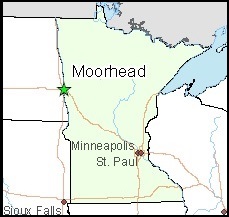
moorhead_mn

ILCM’s new office location in Moorhead, Minnesota

ILCM is excited to announce the opening of a new office in Moorhead, Minnesota, and the addition of Martha Castañon to ILCM’s legal team at this office. This expansion is made possible by funding from the Blandin Foundation and the State of Minnesota Office of Justice Programs. Martha brings more than 35 years of experience in immigration law to ILCM. As a life-long member of the Moorhead community, Martha has witnessed the changing demographics of Moorhead as immigrant groups arrived: During the 1970s, the area saw the growth of the Latino community, and in the 1980s, increases in Hmong, Vietnamese, and Cambodian populations. Over the years, Bosnian, Somali, and Kurdish populations in Moorhead have also expanded as these groups were granted refugee status and resettled in Minnesota.


ILCM’s new Moorhead office location increases access to comprehensive immigration legal services for low-income immigrants and refugees across Northwest Minnesota, especially as these groups seek legal assistance with citizenship, DACA, immigration relief for victims of violence, and family reunification. The office is also an important resource for the community as new immigration programs are announced, as geographic limitations often prevent immigrants in rural areas from accessing accurate information.


As a legal staff member of ILCM, Martha enjoys her work because she witnesses her clients’ ability to participate more fully in their communities, particularly as they gain access to worker’s permits, driver’s licenses, and social security numbers. These gains are life-changing for the immigrants and refugees of northwest counties, and their advancements directly improve local-level governments and communities, as well as the broader state of Minnesota.

American Immigration Counsel: Understanding the Legal Challenges to Executive Action

Source: Commondreams.org

On November 20 and 21, 2014, President Barack Obama announced a series of administrative reforms of immigration policy, collectively called the Immigration Accountability Executive Action. The centerpiece of these reforms is an expansion of the current Deferred Action for Childhood Arrivals (DACA) initiative and the Deferred Action for Parents of Americans and Lawful Permanent Residents (DAPA) initiative for the parents of U.S citizens and lawful permanent residents who meet certain criteria. Together, these initiatives could provide as many as 5 million immigrants with temporary relief from deportation. Moreover, DAPA and expanded DACA is expected not only to keep families united, but also to increase U.S. gross domestic product, increase tax revenue, and raise wages.

Read more from the American Immigration Counsel here.

Melissa Pfeiffer Receives 2016 MSBA Becker Award

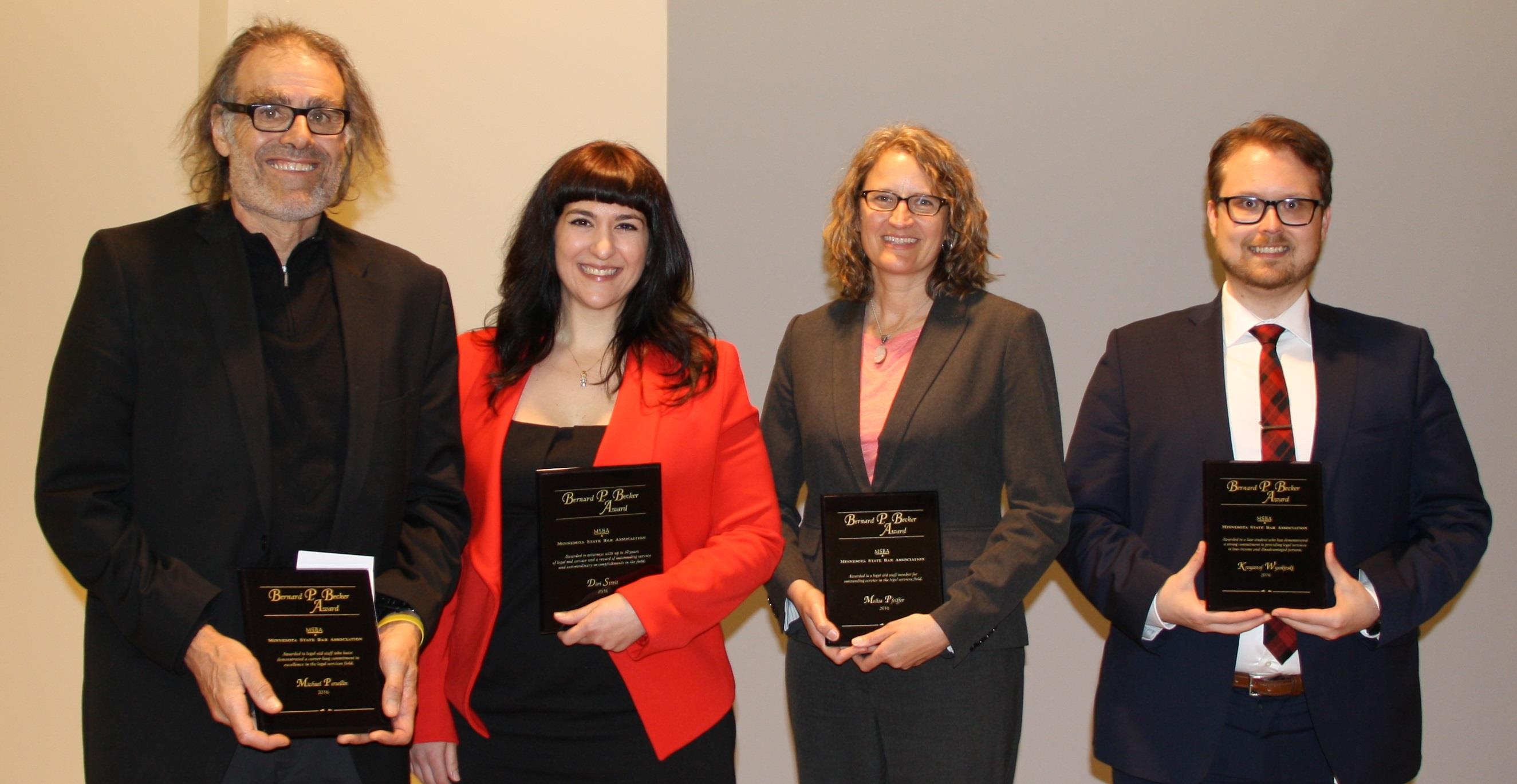
Becker

Source: Minnesota State Bar Association

This April, ILCM’s Associate Director Melissa Pfeiffer was honored at the 2016 Minnesota State Bar Association’s annual Bernard P. Becker Awards.

These awards are presented to attorneys, paralegals, administrators or other staff employed by a private, nonprofit agency that provides legal services to low-income and disadvantaged eligible clients. Recipients must have a demonstrated commitment to provision of zealous and skilled legal representation for low-income and disadvantaged clients.

Congratulations, Melissa!

Immigration Task Force Bill SF 3405

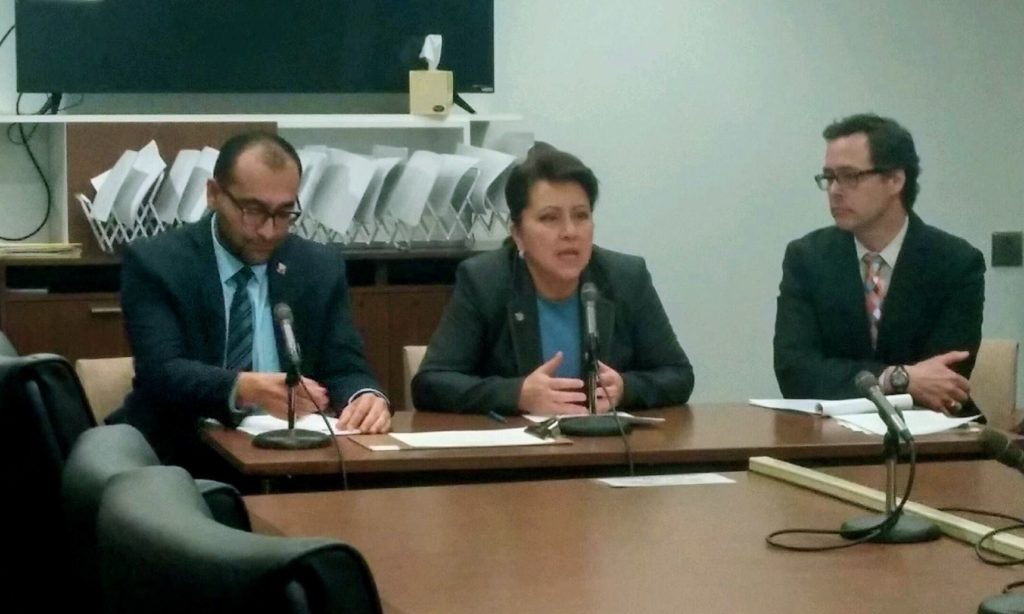
Immigrant Law Center of Minnesota/Pictured are Henry Jimenez (left), Senator Ray (center), and John Keller (right) 

This spring, ILCM advocated for the Immigrant Task Force Bill in the Minnesota Senate.

SF 3405, or the Immigrant Task Force Bill, seeks to create an immigration integration task force to research state laws and rules that negatively impact immigrants. It aims to create methods to ensure that future proposed laws and rules consider the impact of proposals on Minnesota’s immigrant communities. The task force would include five members appointed by the governor to represent Minnesota’s various immigrant communities, two members from the House of Representatives, two senators, and both a chair and co-chair.

Though SF 3405 was approved without dissent in early April and moved to the Senate Finance Committee, it did not receive a hearing  in the House. ILCM is now asking the Governor to convene this task force through executive action.

Above, Senator Patricia Torres Ray is pictured testifying on the bill. Henry Jimenez, from the Minnesota Council on Latino Affairs, also provided strong testimony.

More information on the bill can be found here.


ILCM Intern Provides Testimony for HF 3560 Bill

12938296_966396053396614_6508956899463639968_n

Immigrant Law Center of Minnesota/Pictured are Jamael Lundy (left), House Representative Rosa (center left), Zamzam Ahmed (center right), and John Keller (right)

ILCM’s intern, Zamzam Ahmed provided testimony for the Citizenship Tax Credit Bill, HF 3560. The Bill creates a state tax credit of $680 to cover the cost of filing for citizenship for low-income students and workers; it will allow some of the 80,000 green card holders in Minnesota to naturalize sooner. Zamzam provided testimony of her personal story: she was eligible to apply for citizenship, but did not possess the financial means to apply, especially as a college student.

The tax credit bill is a part of the broader “Minnesota New American Integration Act,” which includes tax credits, education grants, and new business assistance; these bills attempt to increase both education and economic opportunities for new immigrants. The bills associated with the Act also involve HF 3563 (creation of Task Force), HF 3559, and HF 3560.

More information on the “Minnesota New American Integration Act” can be found here.

Supreme Court Ruling Will Impact Many Undocumented Students in Minnesota

The Supreme court could decide on the constitutionality of President Obama’s executive order from 2014 in the case United States v Texas as soon as this summer. The case concerns the expanded DACA and DAPA.

The expanded DACA eliminates the age gap for DACA, changes the date of entry for DACA eligibility purposes, and grants work authorization for a period of three years instead of two. More information on the expanded DACA can be found here.

In Minnesota, 12,810 (Center for Immigration Studies) individuals are eligible for the original or expanded DACA program. If the Supreme Court decides in favor of President Obama’s administration, more students could gain the opportunity to obtain proper work authorization. 


ILCM Serves As Host Site for the Minnesota Capitol Pathways Internship Program

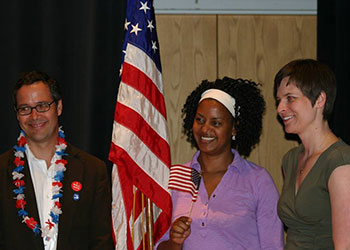
mn-cap-paths

Citizens League, Capitol Pathways 2016 Legislative Cohort 

ILCM, along with organizations including the Office of the Secretary State, Education Minnesota, MinnCAN, Fresh Energy, Minnesota Environmental Partnership, and NAMI Minnesota, will serve as a host site for a Minnesota Capital Pathways intern.

The internship seeks to increase diversity in the Minnesotan government by allowing students of color to access the Minnesotan capitol so that they can engage in matters that impact their respective communities; students will work with their host sites as they build relationships with established capitol leaders and gain exposure to different careers in policy.

Erika Idrovo-Cuesta, ILCM’s Spring 2016 intern, is currently working with Executive Director John Keller on policies such as the MinnCare Expansion Bill.

More information on the internship can be found here.